
Specialized individual therapy after infidelity and affairs.
Individual Therapy for Partner Betrayal Trauma Online in Boston
Individual Therapy for Infidelity in Boston
You keep going back through your relationship trying to figure out which parts were real. You check the long weekend away when you felt close again, the holiday with their family, and the months they were traveling for work against what you know now, and every time you find something you missed, you trust your own judgment a little less.
You’ve started tracking details you never used to notice, like which accounts are open on their laptop, how long a quick errand takes, and whether the story they tell at dinner matches the one they told you that morning. You read their messages while they shower and check their location between your own meetings, and you hate how much of your day is taken up by the monitoring and preoccupation.
You also imagine things you never saw, pieced together from a receipt, a text thread, or a photo, and you imagine those events even when you’re trying not to. Some of those scenes include the other person, and each time you compare yourself to them and feel inadequate and unworthy.
Your jaw aches, your stomach hurts, you get headaches most afternoons, and nightmares wake you up at night.
In therapy, we work on changing the images, emotions, and physical sensations connected to finding out about the infidelity.
→ Learn more about how I work with betrayed partners after infidelity here.
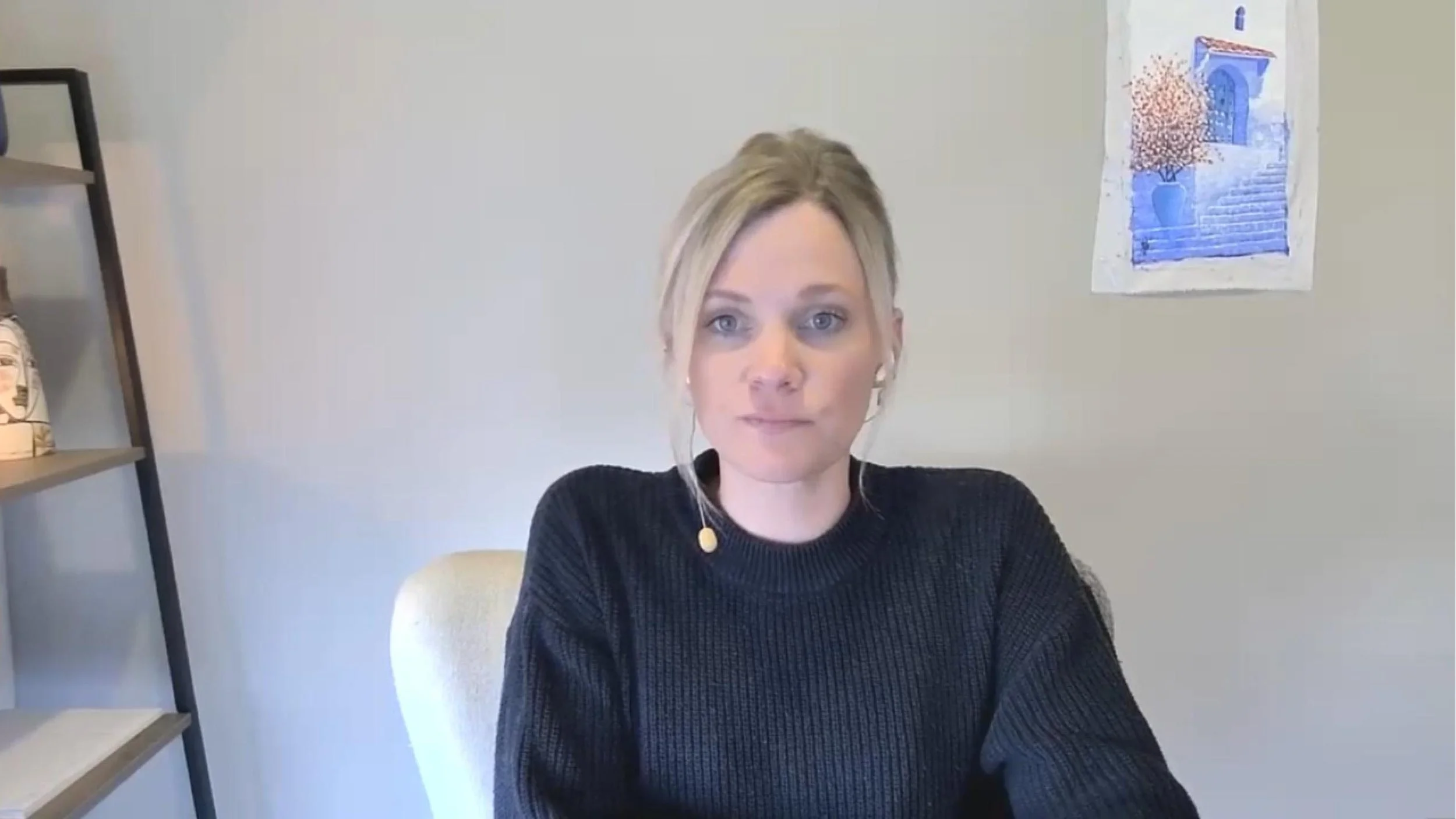
Find out if betrayal trauma therapy is right for you by watching the video here…
Talk Therapy Falls Short for Infidelity and Betrayal Trauma
Accelerated Resolution Therapy is a body-based trauma modality.
The reason it works is because the effects of betrayal “live” in different parts of the brain than insight, skills, and understanding.
Having a clearer understanding of the affair, talking it through, or building better coping skills can be useful, but those don’t fundamentally change how your body responds when looping thoughts of the infidelity pop up in your day-to-day life.
What makes ART different from most therapy is the pace. Change happens within a session rather than across weeks or months, and many clients tend to describe the memories and images becoming more dull and losing their emotional intensity.
What Life Looks Like After You Heal Betrayal Trauma at the Root
Your body stops being on high-alert for more bad news. The jaw clenching, the stomach problems, the tension headaches, the 3am wakeups with your heart pounding stop being your baseline. You sleep through the night and your appetite returns. You wake up thinking about your day, not about what your partner did. The grief about what happened is still there, but it becomes possible for you to concentrate at work and show up for your children.
The images stop popping up. The scenes that have been showing up in your head when you’re trying not to think about them — the texts you found, the moment your partner admitted to the infidelity, the bank statements that didn’t make sense — stop coming up randomly. And when you do think about them, they feel dull. Clients describe the thoughts and images as feeling distant, like something that happened in the past, instead of something that keeps happening to them now. This means the anxiety and rumination stop on their own, without you having to “try.”
You stop measuring your worth by what your partner did. When you think about the infidelity now, you think of it as something your partner decided to do, and you stop asking what’s wrong with you every time the memory comes up. Whether or not your partner chooses you going forward, you know you’re worth choosing.
You trust your own judgment again. You make a decision about your marriage, your finances, or your living situation, and you don’t need to run it past three friends and your sister to make sure you’re not crazy. The fog of “what if I’m wrong about everything” clears, and you can see your options clearly enough to choose. The intrusive thoughts that have been telling you not to trust your partner, not to trust yourself, that you’re going to make a permanent mistake, lose their authority. You can recognize them as betrayal-driven, not as truth, and they don’t dictate what you do next.
You have bandwidth to spend on the people you love. Your daughter tells you about her math test on Friday afternoon, and instead of “how was it, mm-hm, that’s great,” you’re listening. As she’s talking, you notice she’s gotten taller. If you’re rebuilding your relationship, you can sit across from your partner and have the hard conversation without feeling like you’re going to throw up. If you’re leaving or if your partner left, you can sleep through your first night in the new place without staring at the ceiling, mentally replaying every sign you missed.
The facts of the betrayal don’t disappear, and you’ll still remember what happened. You can think about the discovery, the texts, or the affair partner as something that happened in the past, instead of something that keeps happening to you.
If you’re ready to learn about pricing and scheduling, see the fees page.
How We Heal Partner Betrayal Trauma at the Root in One Half-Day
Accelerated Resolution Therapy is an evidence-based trauma therapy. It uses back-and-forth eye movements.
You don’t talk about the betrayal in detail. Instead, you visualize the situation in your mind, as if you’re watching a scene of a movie.
During the session, we work to change the images and physical sensations your brain has stored, so that they stop intruding the way they have been.
In ART we say, “keep the knowledge, lose the pain.” You will keep the facts, but the facts will lose their emotional intensity.
By the end of the session, you’ll still know what happened and remember all of the facts. What you’ll lose is the uncomfortable bodily sensations, the unwelcome thoughts, and other symptoms that have been part of your daily life.
FAQs
Frequently asked questions
-
I specialize in all types of relationship betrayal: infidelity, affairs, emotional affairs, pornography, strip clubs/escorts/sex workers, online relationships, etc.
The common thread is that someone you trusted fundamentally violated that trust, leaving you with symptoms of betrayal trauma.
-
No. You don’t have to share any of the specifics. ART works with the images and sensations stored in your nervous system, not the verbal story. You can keep the details private and still process the trauma completely. Many clients find this privacy one of the most relieving aspects of ART.
This is especially helpful for people who are processing a business betrayal or work trauma and they have signed an NDA.
-
That’s completely normal. ART helps your nervous system calm down so that you can think clearly about those types of decisions. Right now, trauma is making every decision feel urgent and next to impossible.
After ART, you’ll still have the same choices to make, but you’ll be making them from a regulated place instead of from panic, rage, or numbness.
Many clients say they couldn’t even think about the relationship question clearly until their nervous system settled.
-
Based on ART research for trauma generally, most issues resolve in 1-5 sessions, with a 94% treatment completion rate.
While there isn’t specific published research on betrayal trauma and ART yet, complex trauma typically takes 4-5 sessions, while single-incident traumas often need just 1-2.
We'll start with one session and assess from there. You’ll know after the first session if ART is working for you because most people feel noticeably different before they leave.
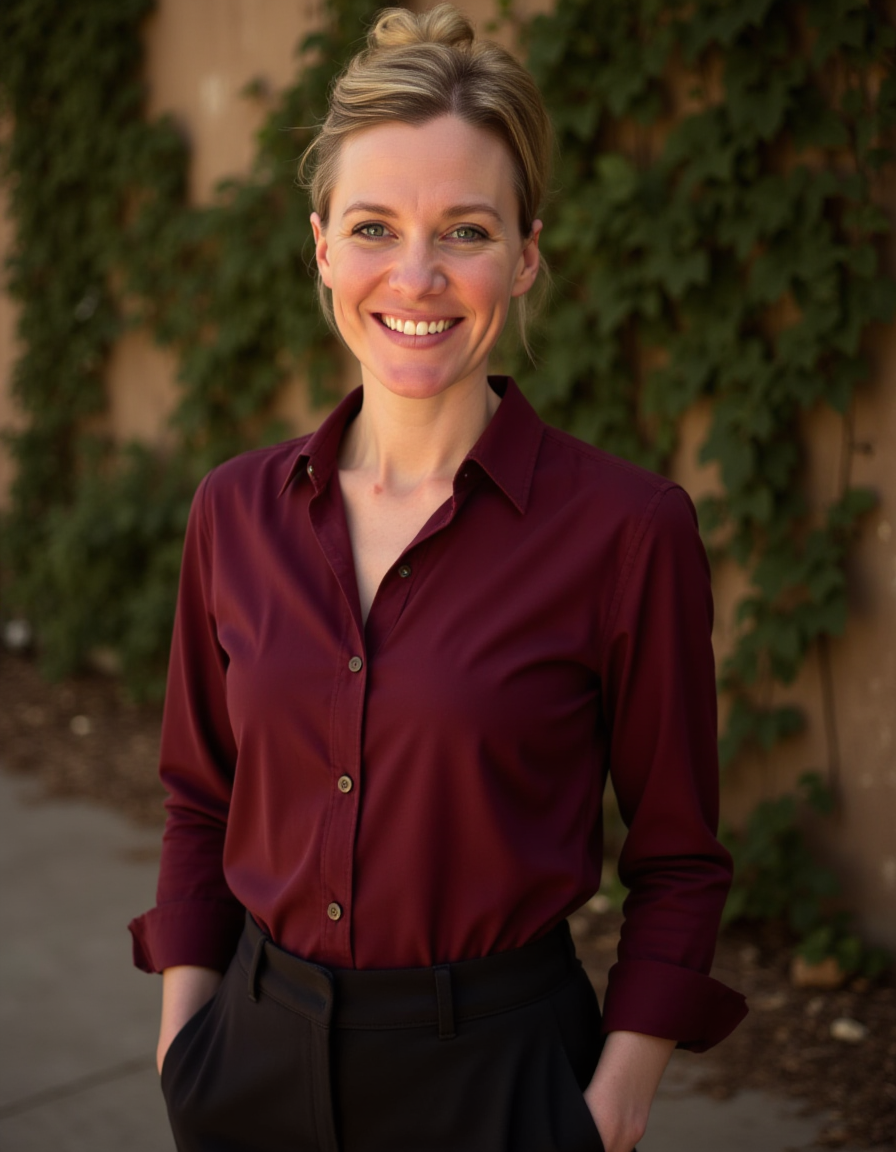
About Allyson Clemmons, LICSW
Boston Partner Betrayal Trauma Therapist
My specialization in partner betrayal trauma emerged from years of treating infidelity as a couples therapist.
While couples work was essential for the relationship, I noticed betrayed partners also needed specialized individual therapy that wasn’t available.
Now I exclusively use Accelerated Resolution Therapy (ART) to help betrayed partners find relief from the stress and trauma of infidelity in just a half-day extended session. You don’t need to manage partner betrayal trauma indefinitely. You can actually heal from it.
Independently licensed in Massachusetts (LICSW #126480)
100% Online
Get in touch
Self-Schedule or Contact Me Below
If you already know you would like to get scheduled, please do so using my secure, HIPAA-compliant calendar below. No need to contact me first unless you want to.
Here’s how payment and intake forms work —
The intensive is typically ~4 hours and a flat-fee of $1,950.
You’ll use my secure calendar below to choose a date and time for your intensive.
After you book, you’ll receive an email invitation to complete your new client forms, which include your payment details.
Once you sign your forms, your 50% ($975) booking deposit is charged and your intensive date is confirmed. The remaining 50% ($975) is charged 24 hours before your session.
If your forms aren’t completed within 48 hours of booking, you won’t be charged. However, I’ll cancel your appointment and open that date to other clients. You’re always welcome to book a new date once you’re ready to complete the forms.
Have a question about logistics before scheduling?
See my FAQ page, or use the contact form to ask me directly (scroll down to use the form). I respond within 1-2 business days, but usually much faster.
For questions, please contact me using the secure, HIPAA-compliant form below.
Online in Boston and throughout Massachusetts via secure telehealth
Individual Therapy for Partner Betrayal Trauma in Boston
I provide online partner betrayal trauma therapy to clients anywhere in Massachusetts. Every session happens by secure, HIPAA-compliant telehealth.
Downtown and central Boston: Back Bay • Beacon Hill • South End • North End • West End • Downtown • Seaport • Charlestown
Fenway and the western neighborhoods: Fenway • Kenmore • Mission Hill • Allston • Brighton
South and southwest Boston: Jamaica Plain • Roslindale • West Roxbury • Hyde Park • Roxbury • Dorchester • Mattapan • South Boston • East Boston
Brookline and Newton: Brookline • Coolidge Corner • Chestnut Hill • Newton • Newton Centre • West Newton
MetroWest: Wellesley • Needham • Weston • Waltham • Natick • Wayland • Sudbury • Dedham • Westwood • Dover
North of Boston: Medford • Malden • Melrose • Winchester • Lexington • Stoneham • Reading • Wakefield
North Shore: Marblehead • Swampscott • Salem • Beverly
Also offering partner betrayal trauma therapy in Cambridge and Quincy and the South Shore.
freedom from betrayal trauma
—
freedom from betrayal trauma —