
About Allyson Clemmons, LICSW
Freedom from betrayal happens in the nervous system, not just in conversation…
Specializing Exclusively in Resolution of Partner Betrayal Trauma After Infidelity
Over the last 16 years in my work as a therapist, I’ve worked with trauma, couples recovering from infidelity, and women going through divorce. I noticed some things that caught my attention:
In trauma therapy: Clients became experts at managing their PTSD symptoms. The skills worked, but needing those skills daily meant trauma was still running their life from behind the scenes. I watched people resign themselves to managing their trauma indefinitely, accepting that this was just how life would be now. But management is not the same as freedom. I kept thinking there had to be a way to actually resolve partner betrayal trauma instead of building an elaborate system to live around it.
In couples therapy after an affair: Both partners were committed to rebuilding. They’d show up, do the work, and make the necessary behavioral changes. But the betrayed partner’s trauma response (the suspicion, the mental movies, the nightmares, etc.) often kept the couple from making as much progress as they wanted. Despite the betrayed partner desperately wanting to heal the relationship, their nervous system was frozen in threat mode.
In my work with women going through divorce: Women who had been betrayed couldn’t always fully and actively participate in their own divorce proceedings. They would freeze up during mediation, or struggle to make decisions because anxiety was overwhelming their ability to think straight. And later, when they were ready to date again, the suspicion and mistrust followed them into new relationships.
What I was witnessing was partner betrayal trauma.
What I was seeing across all these contexts was the same thing: partner betrayal creates a specific trauma response, sometimes also called post-infidelity stress disorder. This is your nervous system doing exactly what it’s designed to do when it detects danger. The problem is, it keeps detecting danger long after the crisis has passed.
Your brain filed the betrayal as an active, present-tense threat. That’s why you're checking their phone when they’re in the shower, why your chest tightens when they’re 15 minutes late, and why you can’t stop replaying the past. Your nervous system genuinely believes the emergency is still happening because that’s how the memory is stored.
Traditional talk therapy tries to help you think differently about the betrayal. But you can’t think your way out of a nervous system problem. That’s why people spend months or years in therapy understanding their trauma deeply but still getting triggered regularly.
Partner betrayal trauma doesn’t require years of therapy. It requires the right therapy.
Accelerated Resolution Therapy is an effective, efficient, and complete way to heal from partner betrayal trauma.

Pull up a chair…
How does this work?
The reason ART works so effectively for partner betrayal trauma is simple: betrayal trauma involves distressing memories, experiences, bodily sensations, and images (even ones your brain came up with by itself) that have become “stuck” in your nervous system.
The brain has stored these experiences as clear and present dangers; meaning they keep triggering your alarm system right now, even though they already happened.
Traditional talk therapy tries to help you think differently about these experiences. ART, on the other hand, works directly with how these experiences are stored in your nervous system.
Using bilateral eye movements similar to REM sleep, we can access and replace the memories when they’re changeable, and help your brain file them away properly. You keep the facts and the information, but ART removes the emotional charge.
The result: The memory stops controlling you and dictating your behavior.
I can’t make you forget what happened (and I wouldn’t want to; you need your memories!). But, I CAN help your brain finally process these experiences to a level of completeness that simply isn’t possible with talk therapy.
What changes after ART:
The anxiety-driven investigation finally stops. You’re not replaying the same timeline at 3am even after your questions have been answered, not checking old phone logs for the hundredth time looking for something you missed, not cross-referencing credit card statements because your anxiety insists there must be more. Your brain stops manufacturing new suspicions to investigate and can finally accept the answers you already have.
Your body stops reacting like you’re under attack. The nausea, the tension headaches, the physical pain in your chest when something triggers you… all of it evaporates. Your body recognizes you’re safe now.
You make decisions from clarity instead of crisis. Whether you stay or leave, the choice comes from what you want for your future, not from trying to escape constant anxiety.
Through ART, the experience of partner betrayal becomes part of your history where it belongs, rather than continuing as part of your day-to-day life.
This is why clients often experience profound shifts in just a half-day intensive: we’re working with the root of the problem, not just the symptoms.
My Training & Education
-
Practicing psychotherapy since 2010
Masters in Social Work (MSW) from Portland State University
Licensed Independent Clinical Social Worker in Washington (#LW61398886) and Massachusetts (#126480)
Licensed Clinical Social Worker in Oregon (#L8072)
Telehealth registrations in Vermont and Florida (please see more here: https://www.flhealthsource.gov/telehealth)
-
Specialized training in:
Accelerated Resolution Therapy (Basic and Advanced levels)
Treating affairs, infidelity, and betrayal trauma through the Gottman Institute
Treating anxiety and trauma/PTSD
Treating substance use disorders
15 years of clinical experience with a diverse client population
-
International Society of Accelerated Resolution Therapy
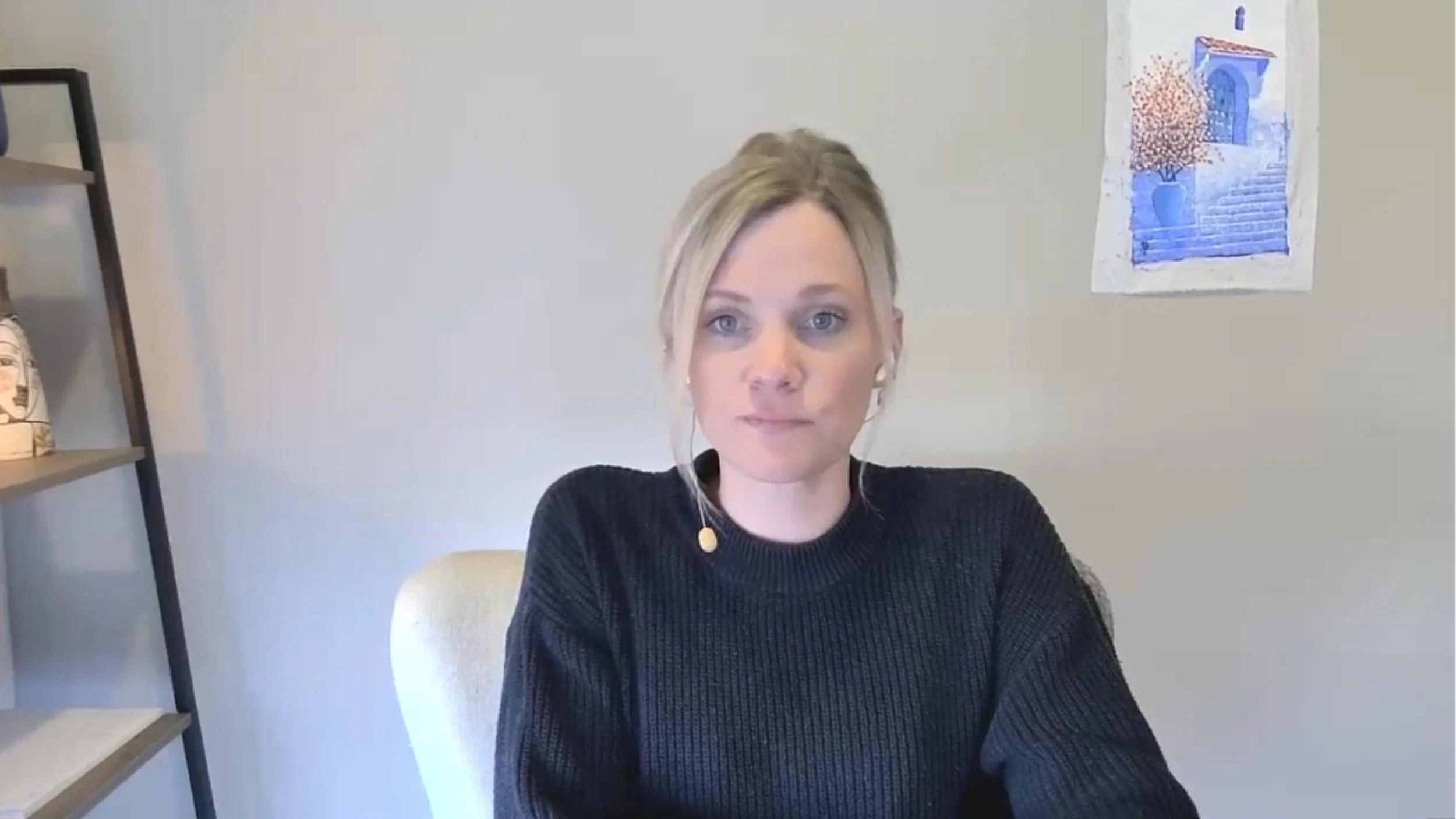
Find out if betrayal trauma therapy is right for you by watching the video here…

Get in touch
Questions? Contact me below.
freedom from betrayal trauma in just one day
—
freedom from betrayal trauma in just one day —