
Online Phobia Therapy in Massachusetts, Washington State, & Oregon
Rapid Relief from Emetophobia for Teens & Adults
Emetophobia Treatment
If you have emetophobia, you know the cost.
Maybe you’ve delayed having children because morning sickness terrifies you more than labor itself. Maybe you avoid bars, parties, and anywhere people drink because drunk people vomit. Maybe you’ve eliminated entire food categories from your diet: nothing undercooked, nothing that sat out too long, nothing you didn’t prepare yourself in your own kitchen.
And if you’re like most people, you’ve probably had this fear for years, maybe decades. (Research shows people wait an average of 25 years before seeking treatment.)
The fear may feel permanent because you’ve had it so long.
But emetophobia can resolve in just 1-5 sessions — no need for traditional exposure therapy or months of CBT.
The Whole-Life Impact of Emetophobia
Food becomes a minefield. Most people with emetophobia develop significant eating restrictions. You’re not restricting to control weight or shape; you’re restricting because certain foods could make you ill. Meat that might be undercooked. Dairy that might have spoiled. Anything unfamiliar that might disagree with your stomach. The “safe food” list gets shorter every year.
Many people with emetophobia meet criteria for ARFID (Avoidant/Restrictive Food Intake Disorder). But if we removed the vomiting fear, the food flexibility will likely naturally return because you no longer need to protect yourself from potentially getting sick.
Relationships deteriorate. You cancel plans last minute when someone mentions feeling “off.” You avoid your friend’s kids because children get stomach bugs. You turn down dates that involve restaurants you can’t control. Partners get frustrated that you won’t travel, won’t try new places, won’t relax about hand washing and food handling. The phrase “you’re being irrational” stops the conversation but doesn’t stop the anxiety.
Major life decisions narrow. Many women with emetophobia avoid or delay pregnancy entirely. Morning sickness, labor, caring for a sick infant — the fear of these eliminates motherhood as an option. Career paths close off too: healthcare, childcare, teaching, food service, or any field with vomiting exposure. Some people report frequently leaving work due to anxiety.
Medical care becomes another thing to avoid. You skip appointments. You refuse anesthesia. You won’t take medications that list nausea as a side effect, even when you need them. The irony compounds: avoiding medical care makes you more vulnerable to the illnesses you fear.
Why Traditional Exposure Therapy Often Fails for Emetophobia
Traditional exposure-based CBT works for emetophobia — when people complete it. The problem is that many people refuse it entirely.
Traditional exposure can include using imagery and language that activates the disgust response intentionally, repeatedly, until it neutralizes (in theory).
But for someone who has spent decades trying desperately NOT to think about vomiting, this approach feels like too big an ask. You’ve already tried exposure accidentally: every time someone gets sick around you, every stomach bug threat, every pregnancy scare. It didn’t desensitize you. It made the fear stronger.
The exposure model assumes your brain needs to learn that the feared situation is safe through repeated contact. But intellectually, you already know vomiting won’t kill you. Still, that knowledge doesn’t override the fear response.
Accelerated Resolution Therapy Works Differently for Emetophobia
Accelerated Resolution Therapy (ART) treats emetophobia as what it usually is: a result of a traumatic experience, not a rational fear that just needs to be corrected.
Many people with emetophobia can identify a specific triggering event, often from childhood; ie, you got sick at school in front of everyone or you had a medical procedure that made you violently ill. There’s an origin point where your brain learned “vomiting = danger.”
The important caveat here is this: ART works even when you can’t pinpoint a specific memory. Sometimes the fear feels like it’s always been there, or the connection isn’t obvious until we’re actually in the session. The brain often makes connections we’re not consciously aware of. The good news is that ART works with those unconscious links, not just the memories you can articulate.
ART uses bilateral eye movements while you recall a triggering image or memory. Then, instead of forcing you to sit with the distress until it lessens, you actively change the image itself. The brain stores the memory differently; you keep the factual knowledge of what happened, but the visceral fear response evaporates completely.
This means you can think about the original event, or about vomiting in general, without your nervous system activating. The trigger becomes completely neutral. Not “manageable with coping skills” — just a matter of fact.
Treatment typically takes 1-5 sessions. The original traumatic memory usually resolves in one session. Additional sessions can address related triggers: specific foods, specific situations, pregnancy fears, caring for sick children, etc.
How ART differs from EMDR for emetophobia:
You may have heard of EMDR (Eye Movement Desensitization and Reprocessing).
ART uses similar eye movements but the two modalities have key differences. EMDR lets your mind free-associate wherever it goes, revisiting the same memory across multiple sessions until it processes. ART is more directive, meaning I guide you through specific steps to change the image or memory, often in just a single session. In other words, during ART, you’re actively changing what you see rather than passively processing.
Most people find ART more tolerable than EMDR because:
You don’t have to verbally process the images or memories
You have control over the rescripting process
Resolution happens faster
How Emetophobia Changes After ART…
After 1-5 ART sessions, many people who have experienced a phobia like emetophobia describe their healing like this:
You can eat normally again. The anxiety around food falls away because you’re no longer subconsciously calculating vomiting risk with every bite. Restaurants become options, not threats. You can try new foods, eat leftovers, accept dinner invitations without interrogating the menu first.
Travel becomes possible. Planes, boats, road trips; you can go places without mapping out every bathroom location or packing excessive safety supplies. You can take that international trip, visit that friend across the country, say yes to the destination wedding.
Pregnancy becomes a choice, not a fear-based decision. You can evaluate whether you want children based on actual factors, ie, your relationship, your career, your readiness, rather than morning sickness terror controlling the decision entirely. If you’re already pregnant, you can prepare for caring for a baby who will inevitably get sick sometimes.
Social situations open back up. You can go to bars, parties, concerts, anywhere people might drink. You can stop being on edge about everyone around you. You can relax when someone mentions feeling slightly off instead of immediately planning your escape.
Career options expand. Healthcare, teaching, childcare, and fields you’ve avoided become accessible if you want them. You can take the job that requires travel. You can show up to work consistently without anxiety-driven absences.
Medical care stops being negotiable. You can take the medication you need. You can agree to anesthesia when you need surgery. You can go to routine appointments without panic. You can advocate for your health instead of planning around the fear.
If You’re a Teenager with Emetophobia (Or a Parent Reading This)
Your world has gotten smaller. You stopped eating lunch at school. You quit the team after someone got sick on the bus. You avoid sleepovers, school trips, college visits. You’re missing experiences that matter because you’re terrified of vomiting.
Maybe you’ve tried everything already. You know logically that vomiting won’t hurt you, but the fear doesn't care about logic. Being forced to go to parties or restaurants you don’t trust makes the anxiety worse, not better. Traditional therapy hasn't helped much; talking about the fear doesn't make it disappear.
If you’re approaching college age, the stakes are higher. You should be gaining independence, but the restrictions are getting tighter instead. Dining halls, shared bathrooms, dorms where roommates may get sick, being hours from home — all of it sends you into a panic.
If you’re a parent, you’ve watched this progression. Reassurance doesn’t work. Pushing doesn’t work. You can’t imagine how they’ll manage the transition to college or independent living when they can barely manage high school.
Why emetophobia in teenagers often resolves faster:
Teenagers tend to be highly motivated once they decide they’re ready. You can see what your peers are doing that you can’t do: prom, school plays, college applications to schools you want to attend, getting your driver’s license without panic about being trapped in a car, etc. The costs are immediate and visible.
How ART for emetophobia works:
ART doesn't require extensive talking about your fear or describing anxiety in detail. We identify the specific memory or image that triggers the fear response, use bilateral eye movements while you hold that image in mind, and then you actively change what you see. The work happens internally while I guide the process.
Treatment is 1-5 sessions, 60-90 minutes each. Most people see significant change in the first session. This matters if you've been in and out of therapists' offices without progress - you need to see that something different is happening, and you need to see it quickly.
What changes:
You can eat lunch in the cafeteria without calculating which foods are safe. You can go to parties without scanning exits and avoiding anyone who’s drinking. You can apply to colleges you actually want to attend rather than limiting choices based on distance from home. You can get in a car, stay overnight somewhere, and travel.
The years between 15 and 25 should be about expanding independence and trying new experiences, not losing them to avoidance. ART for emetophobia gives you those years back.
If you’re a teen deciding whether you’re ready:
Many people need to reach their own decision point rather than being pushed into treatment, which makes sense. But once you decide you’re ready, progress happens fast. ART works beautifully when you’re motivated to address the problem.
If you’re a parent:
You’ve spent years helping them feel safe through reassurance and accommodation. Treatment means they can actually feel safe; not through your reassurance or their avoidance, but because the trigger itself resolves. The fear response stops activating.
ART is an investment in your freedom and well-being.
A 90-minute Accelerated Resolution Therapy session is $500.
ART sessions are $500 per session. Each session runs as long as needed to complete the protocol, typically 60-90 minutes. The average length of treatment is 3-4 sessions for most issues, making ART one of the most efficient forms of therapy available.
Total investment for most clients: $500-$2,500.
The Emetophobia Research
Emetophobia affects up to 9% of the population, usually women, starting typically in childhood (the average age it starts is 9-10). Most people live with it for decades before seeking treatment.
Traditional CBT with exposure can work when people complete it, but many understandably refuse exposure-based treatment entirely. ART represents a different approach: treating the condition as trauma-based (phobias often, if not always, are) rather than requiring exposure.
ART has strong evidence for PTSD and has been classified as “promising” for phobia treatment by SAMHSA. A 2023 study on EMDR (a similar eye-movement therapy) for emetophobia showed successful outcomes by treating it as trauma. ART uses comparable mechanisms with more directive guidance.
FAQs
Frequently asked questions
-
No. ART doesn’t use exposure to vomiting imagery and doesn’t require you to verbalize the traumatic memory. You work with the image internally while I guide the process.
-
Traditional CBT focuses on changing thoughts and gradual exposure to feared situations. ART targets the sensory memory itself, changing how your brain stores the triggering image or memory so that the fear response stops activating entirely.
-
Yes, but I will need clearance from your doctor. I can help with that process.
-
The food restrictions typically ease naturally as the vomiting fear resolves because you’re no longer subconsciously calculating risk. However, if you’ve developed rigid eating patterns over many years, some behavioral work around food flexibility may be helpful after the phobia resolves. I am happy to refer you to specialists who can help with that.
-
Yes. I am happy to write a letter after our first session, upon request.
-
Yes. Please request during our first session and I would be happy to send them over. Please note, insurance typically reimburses for 53-minute sessions, and ART sessions can be up to 90 minutes.
Get in touch
Long-Term Relief From Emetophobia in Just 1-5 Sessions
Serving Massachusetts, Washington, & Oregon
Massachusetts: Boston, Worcester
Washington: Seattle
Oregon: Portland
If you’ve been living with emetophobia for years or decades, if it’s controlling your food choices and travel and relationships and life decisions, if you’ve tried other approaches without lasting change, then this is worth exploring.
The fear that’s been running your life for years can resolve in a few weeks. You can eat at restaurants without calculating risk. You can travel without mapping bathroom locations. You can make decisions about pregnancy based on whether you actually want children, not whether you can tolerate morning sickness. You can show up for your life without constant vigilance about who might get sick around you.
That’s what Accelerated Resolution Therapy makes possible. Let’s get started.
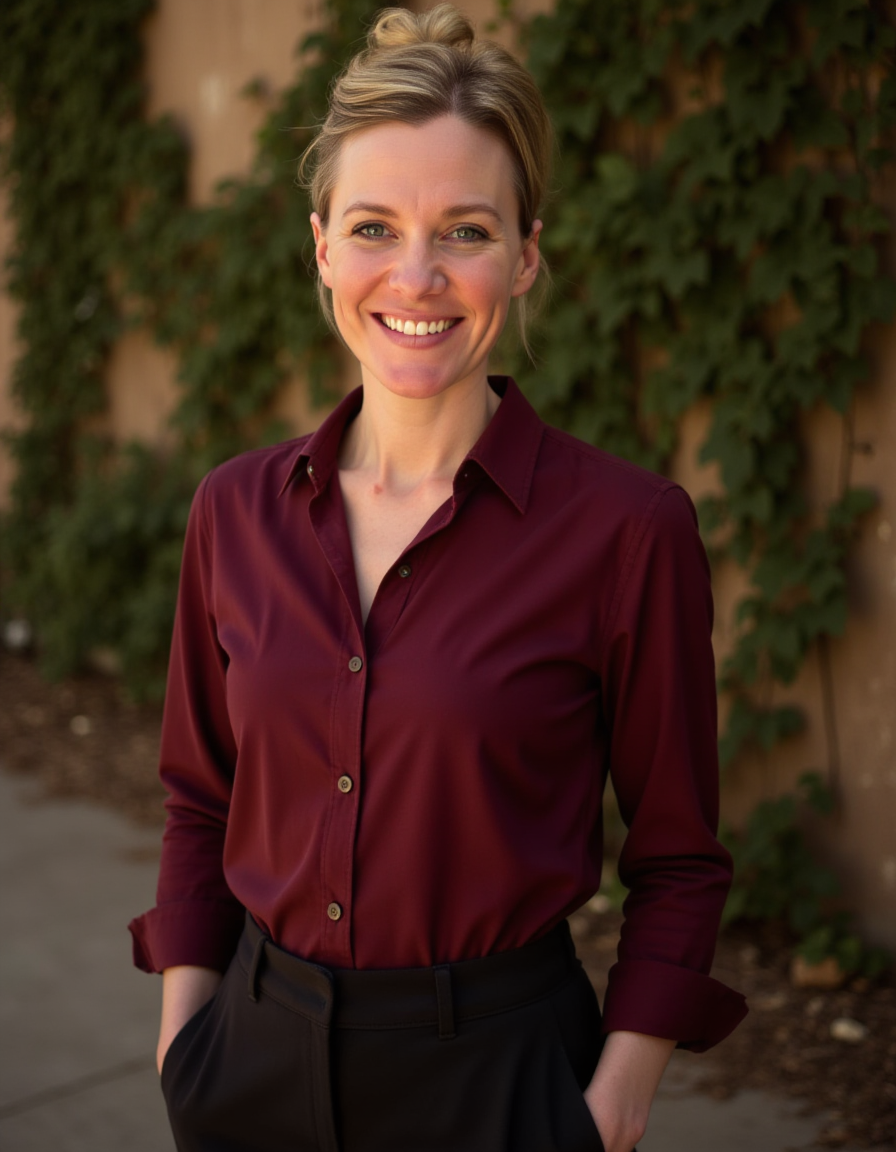
About Allyson Clemmons, LICSW
Real healing happens in the nervous system, not just in conversation.
After 15 years in traditional talk therapy, I now specialize in helping people who have tried multiple approaches, or who have been in therapy for a long time, but aren’t finding lasting change. Using ART’s bilateral eye movements (similar to what happens naturally during REM sleep) we’ll work directly with how traumatic memories are stored in your brain. Most clients experience their breakthrough in 1-5 sessions instead of months or years.
If you’ve hit a wall with other approaches and want freedom from symptoms (not just management), you’re exactly who I work with.
Licensed in Massachusetts, Washington State, & Oregon
100% Online
Get in touch
Contact or Self-Schedule Below
If you already know you would like to get scheduled, please do so using the button below. No need to contact me first unless you want to.
The link will take you to my secure, HIPAA-compliant scheduling tool where you can choose a day and time and pay for your session to reserve it. Within 24 hours, you’ll receive an email invitation to complete your new client forms. Then we’ll meet on your scheduled day!
heal the root cause in 1-5 sessions
—
heal the root cause in 1-5 sessions —