
Online Therapy Across Oregon
Trauma Therapy in Oregon: Heal from Anxiety & PTSD in 1-5 Sessions
Rapid Relief from Trauma, Anxiety & PTSD in Oregon for Teens and Adults
Effective, Online Trauma Therapy Available Anywhere in Oregon
Whether you’re in a high-rise in the Pearl, a quiet neighborhood in Bend, or somewhere along the Coast, we can work together. No fighting I-5 traffic, circling for parking in downtown Portland, or awkward waiting rooms where you might run into someone you know.
As a Licensed Clinical Social Worker (LCSW #L8072) in Oregon, I provide specialized trauma treatment to residents statewide.
Freedom from Trauma in Days or Weeks Instead of Months or Years
Your nervous system doesn't know the difference between past and present. That's why your body still reacts like you're in danger, even though you rationally know you're safe now in your Portland apartment, Bend home, or Eugene office.
The thing about trauma is that it doesn't care about your accomplishments, your intelligence, or how much therapy you've already done. It lives in a deeper part of your brain, the part that makes decisions before your thinking brain even gets a vote.
Your Body Keeps the Score
Living with unresolved trauma in Oregon means navigating a minefield of unexpected triggers. The smell of pine sends you spiraling because it reminds you of that day. The sound of the MAX that makes your heart pound. Avoiding entire neighborhoods in Southeast Portland. Canceling plans for Timberline because the drive up Highway 26 brings back bad memories.
For Oregon's frontline workers — from Portland firefighters responding to overdoses, to Medford emergency room nurses, to counselors at Lines for Life — the accumulated weight of witnessing others’ worst moments becomes its own kind of trauma. You absorb it all: the grief, the helplessness, the decisions that had no good options.
You've probably noticed how it shows up: Sunday night insomnia before another week at Providence, the way you need three drinks to decompress after shifts at Legacy, or how you can’t watch Grey’s Anatomy or Law and Order anymore, even though you used to love them.
The Limitations of Traditional Therapy for Trauma Treatment
You’ve probably already tried the traditional therapy option. Maybe you spent months with a therapist in Northeast Portland, discussing your childhood. Perhaps you did CBT through your Kaiser benefits. You might even have a collection of trauma workbooks gathering dust on your shelf.
You understand where your behavior comes from. You can explain exactly why you react the way you do. But when that trigger hits — when you smell that cologne, hear that song, or see that model of car — your body takes over anyway.
A Revolutionary Approach That Works
Accelerated Resolution Therapy (ART) bypasses years of talk therapy by working directly with how your brain stores traumatic memories. Using eye movements similar to REM sleep, ART helps your nervous system finally complete what it couldn’t finish during the trauma.
Think of it like this: trauma and anxiety symptoms are like a house of cards, all held up by one or two key memories at the base. You might not even realize that your panic attacks in grocery stores, your insomnia, and your trust issues are all balanced on a few core memories from years ago.
ART helps your brain identify that foundational memory (pulls out that bottom card) so that the whole structure of trauma and anxiety symptoms collapses. What seemed like ten different problems might be just 1-2 unprocessed memories holding everything else up.
The Neuroscience of Accelerated Resolution Therapy
Accelerated Resolution Therapy (ART) directly addresses trauma at the neurological level, bypassing the need for months of “talking about it”.
ART uses eye movements similar to what happens naturally during dream sleep to help your brain reprocess traumatic memories. Most people see results in just 1-5 sessions. You don’t have to share the painful details of what happened; you can keep your privacy while still getting the help you need.
The results of ART are real and concrete: You drive through intersections that used to trigger panic, and your heart rate stays normal. You walk through Pioneer Courthouse Square thinking about where you’re going, not anxiously looking over your shoulder. You sleep through the night without constantly checking locks and windows.
The best part is that these changes don’t happen because you’re trying harder or using skills. They happen because your brain has moved upsetting memories to the “completed experience” category, and your nervous system no longer sees these things as active threats.
Stop Just Surviving and Start Living
Through our work together, you’ll stop surviving and start living. Not managing trauma, not coping with triggers, not white-knuckling it through each day. Actually living with spontaneity, joy, and the freedom to choose your life instead of trauma choosing it for you.
What changes after our work together…
Your body remembers how to rest — That chronic tension in your jaw finally releases. You stop grinding your teeth at night. Your shoulders drop away from your ears. Deep sleep returns; not the light, vigilant kind where you wake at every sound, but real, restorative rest. Your gut stops churning. Those random shooting pains disappear. You have energy for your life, not just survival.
You stop living in the future or past — Grocery shopping at Fred Meyer becomes just buying food, not a strategic mission. You can sit with your back to the door at Stumptown. Unexpected doorbell rings don’t send you into panic mode. You’re present during conversations instead of monitoring everything around you. Plans feel exciting again, not draining.
You come back to yourself — You remember who you were before trauma changed you. Your sense of humor returns. You sing in the car again. Creative projects call to you. You have opinions about things besides safety. Your personality isn’t just managing your anxiety anymore.
Freedom replaces management — You stop needing that glass (or 3) of wine to face social events. Exercise becomes movement you enjoy, not punishment or numbing. You can watch triggering content without three days of fallout. Limits come from self-respect, not fear. You choose partners who are good for you, not familiar to your trauma.
Your capacity expands — You have bandwidth for other people’s emotions without overwhelm. Work challenges feel manageable, not catastrophic. You can hold complexity without defaulting to black-and-white thinking. Small annoyances stay small. You stop catastrophizing every unexpected email.
Process Upsetting Memories Without Reliving Them in Detail
Accelerated Resolution Therapy (ART): The Trauma Treatment That Works as Fast as Trauma Happened
Remember how quickly your brain learned to fear? ART helps it learn safety just as fast.
Here’s what makes ART different from talking about your trauma for months or years:
Speed and efficiency that matches your life — Most clients see significant relief in 1-5 sessions. Not 1-5 months. 1-5 sessions. Imagine coming to your first appointment on Monday and feeling different by Friday.
Privacy and discretion — You don’t have to describe the painful details. Keep the parts that feel too raw to share. Your brain knows what happened; we just help it file the memory differently.
Impressive research findings —
94% of people complete ART treatment (compared to 60% for traditional therapy)⁴
Veterans with combat PTSD: 61% showed major improvement⁵
Effect sizes 2-4 times stronger than traditional therapy (1.12 to 3.28 for the research-minded)⁶ — traditional evidence-based therapy scores around 0.8 (which is considered good)
Healing through ART is like the difference between looking at an old photo versus being trapped inside it.
How your brain heals itself (with a little guidance)…
Step 1 — Pick a specific memory or feeling. The car accident. The diagnosis. The moment you found those texts.
Step 2 — Hold the memory during bilateral stimulation, like watching scenery from a train window while your brain sorts through its filing system.
Step 3 — Choose new images to replace the painful ones. Your brain keeps the facts, but it drops the emotional charge.
What Research Shows About ART’s Effectiveness:
The Evidence is Clear: ART Creates Profound Change
Military Veterans Study (2013)² — A randomized controlled trial with combat veterans showed a 61% response rate for PTSD symptoms. These are veterans who often struggle with traditional therapies, yet over half experienced significant improvement with ART.
Complicated Grief Research (2021)⁸ — Effect sizes reached 2.13 for PTSD symptoms and 1.79 for grief symptoms. To put this in perspective, an effect size over 0.8 is considered “large.” ART’s numbers are extraordinary.
Treatment Completion Rates⁹ — 94% of clients complete ART treatment. Compare this to 60-65% completion rates for traditional PTSD therapies. People stick with ART because they feel better quickly.
Recent Cancer Survivor Study (2024)¹⁰ — Preliminary results show promising outcomes for medical trauma, expanding ART’s applications beyond traditional PTSD.
Systematic Review Findings¹¹ — Across multiple studies, ART consistently shows effect sizes ranging from 1.12 to 3.28; results so strong that researchers double-check their calculations.
A 90-minute Accelerated Resolution Therapy session is $500.
ART sessions are $500 per session. Each session runs as long as needed to complete the protocol, typically 60-90 minutes. The average length of treatment is 3-4 sessions for most issues.
Total price for most clients: $1,500-$2,000.
ART is an investment in your freedom and well-being.
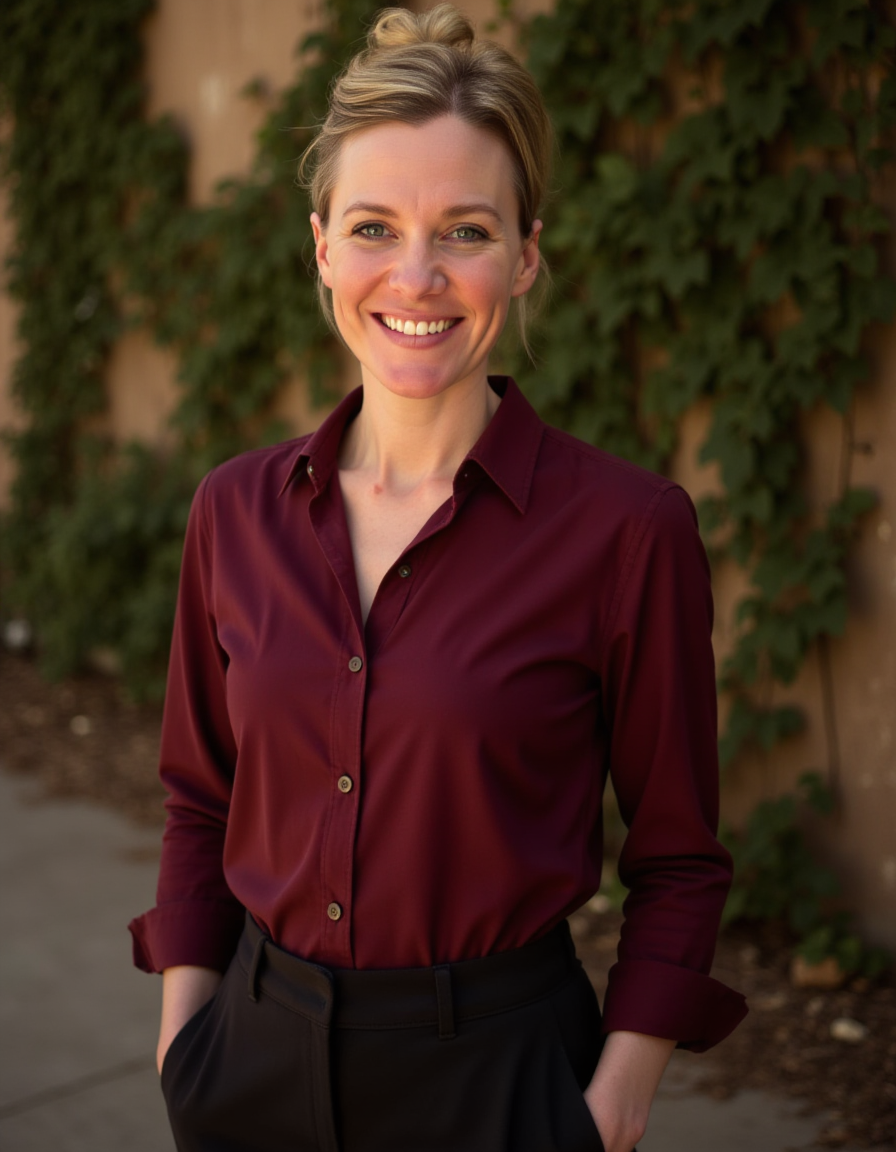
About Allyson Clemmons, LCSW, LICSW
Real healing happens in the nervous system, not just in conversation.
After 15 years in traditional talk therapy, I now specialize in helping people who have tried multiple approaches but aren’t finding lasting change. Using ART's bilateral eye movements (similar to what happens naturally during REM sleep) we’ll work directly with how traumatic memories are stored in your brain. Most clients experience their breakthrough in 1-5 sessions instead of months or years.
If you’ve hit a wall with other approaches and want freedom from symptoms (not just management), you’re exactly who I work with.
Licensed Clinical Social Worker in Oregon
LCSW #L8072 (verify Oregon LCSW license here)
100% Online
Contact Me or Self-Schedule Your ART Session From Anywhere in Oregon…
If you already know you would like to get scheduled, please do so using the button below. No need to contact me first unless you want to.
The link will take you to my secure, HIPAA-compliant scheduling tool where you can choose a day and time and pay for your session to reserve it. Within 24 hours, you’ll receive an email invitation to complete your new client forms. Then we’ll meet on your scheduled day!
For questions, please contact me using the form below
Sources
- Kip et al. "Accelerated Resolution Therapy for treatment of pain secondary to symptoms of combat-related posttraumatic stress disorder." European Journal of Psychotraumatology, 2014.
- Kip et al. "Randomized controlled trial of accelerated resolution therapy (ART) for symptoms of combat-related post-traumatic stress disorder (PTSD)." Military Medicine, 2013.
- Multiple studies systematic review. "Accelerated Resolution Therapy: A systematic review of effectiveness and mechanisms." Journal of Traumatic Stress, 2024.
- Buck et al. "Accelerated Resolution Therapy: Randomized Controlled Trial of a Complicated Grief Intervention." American Journal of Hospice and Palliative Medicine, 2021.
- International Society of Accelerated Resolution Therapy. "Research and Evidence Base in ART." 2024.
- "Accelerated Resolution Therapy for Cancer Distress and Post-Traumatic Stress Symptoms: Results of a Pilot Study." PubMed, 2024.
- Multiple studies systematic review. "Accelerated Resolution Therapy effectiveness across populations." Journal of Traumatic Stress, 2024.
heal the root cause in 1-5 sessions
—
heal the root cause in 1-5 sessions —