
Individual Therapy for Infidelity and Partner Betrayal Trauma in Denver, CO
Online Individual Therapy for Infidelity, Affairs, and Sexual Secrecy in Denver, Cherry Creek, Washington Park, Greenwood Village, and throughout Colorado
Infidelity Therapy for Betrayed Partners in Denver, Colorado
You still recognize the person you fell in love with. You remember years of shared experiences, conversations about your future, and times when you felt certain of your partner’s commitment.
But now you also know they were capable of concealing an affair, lying to you, or maintaining a sexual relationship with someone else while continuing their life with you.
You’re trying to reconcile those two versions of your partner.
The betrayal has changed how you interpret ordinary interactions. Affection that once felt reassuring can remind you of the affection they showed while being dishonest. Explanations you would have accepted without question now leave you wondering what they’ve omitted.
You’re also struggling with the effects of infidelity on your own life: painful memories, changes in how you feel about yourself, difficulty concentrating, and anger that sometimes surprises you.
You Want to Trust Your Partner, but Their Reassurances Don’t Feel Convincing Anymore
Your partner tells you the affair has ended, that they regret their decisions, and that they want to rebuild your relationship.
Part of you wants to believe them. You miss being able to enjoy your relationship without questioning where they’ve been, who they’ve spoken to, or whether they’re telling you everything.
But you remember that they made convincing promises while concealing the infidelity.
Now, when they say they’re working late or meeting a friend, you wonder whether their explanation is truthful. A change in their behavior can leave you worried that they’re becoming involved with someone else.
Sometimes your concerns are supported by inconsistencies, defensiveness, or information they’ve withheld. Other times, you recognize that nothing new has happened, but you still struggle to relax.
You ask questions, review messages, or check information you previously wouldn’t have thought twice about.
Painful Memories and Sexual Images Keep Interrupting Your Day
You remember discovering the infidelity: the messages, the confession, or the information that finally made your partner’s explanations impossible to believe.
You return to those moments repeatedly, thinking about what was said and what you wish you had asked.
You also picture your partner with the other person. You imagine them kissing, touching, or having sex, sometimes using details your partner disclosed and sometimes filling in things you never witnessed.
The images appear during meetings, when you’re trying to fall asleep, or when you’re physically close to your partner.
You’ve noticed physical reactions, too. Your stomach tightens when something reminds you of the affair. You become tense when your partner’s phone receives a notification or when they mention someone connected to the betrayal.
Even happy memories have become painful. You look at a photograph from a vacation or remember an anniversary and wonder whether your partner was already hiding the affair.
You’re Questioning Your Attractiveness, Sexual Desirability, and Worth
You compare yourself to the person or people your partner was involved with. You wonder whether they were more attractive, sexually adventurous, interesting, or exciting. You think about details of the affair and question whether your partner enjoyed being with them more than being with you.
Your partner insists that their infidelity had nothing to do with your appearance or sexual desirability, but that reassurance doesn’t necessarily change how you feel.
You might become uncomfortable with aspects of your body that never bothered you before. Sex can bring up questions about whether your partner genuinely wants you or is thinking about someone else.
There can also be humiliation about having believed your partner’s explanations, especially if other people knew about the affair before you did.
And if you’re considering reconciliation, you might question your self-respect because you once believed you would never remain in a relationship after being cheated on.
You’re Angry More Often, and You Don’t Like How You’ve Been Responding
You resent the dishonesty, the time your partner devoted to someone else, and the consequences their decisions have created for you.
Sometimes the anger feels immediate and intense. Something your partner says reminds you of a lie, and an ordinary conversation becomes an argument about the affair.
You want them to understand how deeply the infidelity affected you, but the conversation becomes frustrating when they grow defensive, minimize your concerns, or expect you to move forward faster than you’re ready to.
Even when your partner is taking responsibility, you can become angry over reminders of things they did while concealing the relationship.
The irritability has begun affecting other parts of your life. You have less patience with friends, coworkers, or family members. You withdraw from activities you once enjoyed or find yourself distracted by thoughts about the betrayal.
You’re Unsure What Your Relationship Can Become After This
You still love your partner, but you’re not certain you can feel secure with them again.
You might want to reconcile while questioning whether their apologies, promises, and efforts at transparency will lead to lasting changes.
If your partner continues to withhold information, minimize the affair, or become defensive, you’re considering how much more you’re willing to tolerate.
You’re also thinking about the consequences of separation. Ending the relationship could affect your home, finances, children, and the future you expected to share.
Some days you want to rebuild your relationship. Other days you feel angry with yourself for considering it.
You don’t want to make a permanent decision simply to escape how painful things feel right now. You also don’t want fear of starting over to keep you in a relationship that continues to hurt you.
→ More about individual therapy for partner betrayal trauma.
Find out if betrayal trauma therapy is right for you by watching the video here…
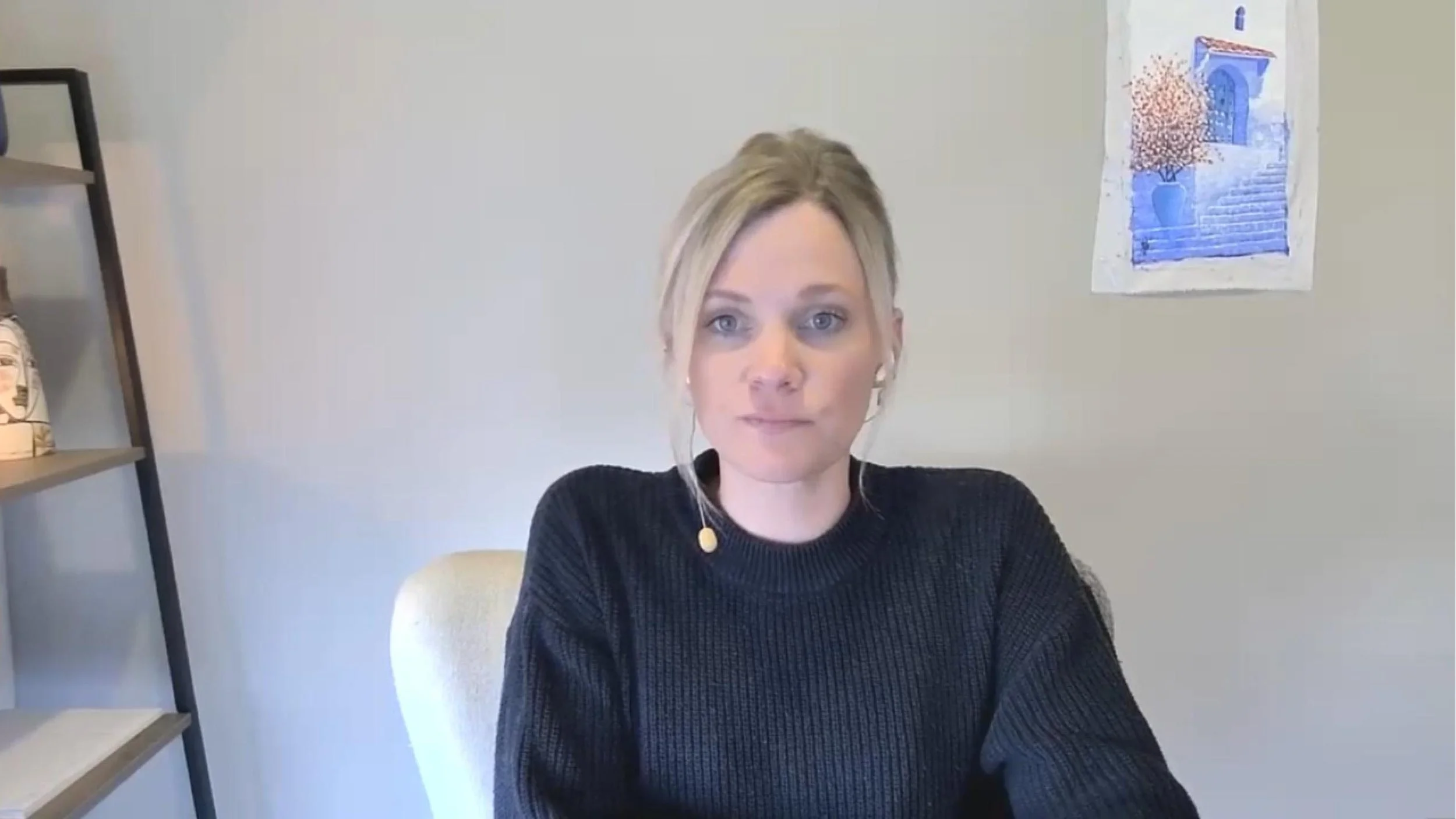
How I Treat Partner Betrayal Trauma
My approach to betrayal trauma therapy is informed by years of experience working with betrayed partners, unfaithful partners, and couples recovering from infidelity. I’ve also completed specialized training in couples therapy, discernment counseling, and trauma treatment, including Accelerated Resolution Therapy (ART).
Working with people on both sides of infidelity has given me a detailed understanding of how affairs develop, how secrecy and deception affect relationships, and what happens when betrayal is discovered or disclosed. I’ve worked with couples attempting to rebuild their relationships, including situations involving repeated dishonesty, defensiveness, conflicting expectations, and uncertainty about whether reconciliation is possible.
That experience informs the individual therapy I provide. I understand the importance of accountability, honesty, and sustained behavioral changes when a couple is attempting to repair their relationship. I can help you examine your partner’s behavior, evaluate your expectations, and respond to difficulties in your relationship without assuming that reconciliation is necessarily the right outcome for you.
My experience with discernment counseling also informs how I work with clients who are uncertain about whether to remain in their relationships. We can examine the concerns influencing your decision, including the emotional consequences of betrayal, your partner’s willingness to address the infidelity, and what continuing or ending the relationship would mean for you.
Some concerns are directly related to traumatic memories and the emotional and physical reactions associated with them. Others involve how the betrayal has affected your confidence, your beliefs about yourself, or your ability to make decisions. Earlier traumatic experiences and longstanding psychological difficulties also need consideration when they’re relevant to your current situation.
I’ll consider your current circumstances, the effects of the betrayal, your psychological history, and what you want to accomplish in therapy when recommending treatment. That includes determining whether ART, ongoing psychotherapy, or a combination of approaches is most appropriate.
Accelerated Resolution Therapy and Individual Talk Therapy
One of the treatments I use is Accelerated Resolution Therapy (ART), a structured trauma treatment that uses guided eye movements and imagery techniques to change how upsetting memories affect you.
During a 90-minute ART appointment, I’ll guide you through bringing a particular memory to mind while following my hand movements with your eyes. We’ll work with the uncomfortable physical sensations associated with the memory and use a technique called Voluntary Image Replacement to change disturbing mental images into images you choose.
For someone recovering from infidelity, this could involve memories of discovering an affair, explicit messages or photographs, or unwanted images of a partner being sexually intimate with someone else. You don’t have to describe every sexual detail aloud for us to work with the images and reactions that are troubling you.
ART is structured to work with a particular traumatic memory during an appointment. Some clients experience substantial relief from the reactions associated with that memory after one session, while others need additional appointments to address the same experience or other painful memories.
You won’t lose your memory of the infidelity or forget the facts of what happened. The aim is to reduce the emotional and physical reactions associated with those memories so they no longer interfere with your life to the same degree.
Ongoing individual psychotherapy allows us to address the broader psychological consequences of betrayal, including difficulties that aren’t necessarily tied to particular traumatic memories.
We can also address grief, resentment, changes in how you feel about yourself, and the conflicting emotions involved in staying with or separating from someone who betrayed you. When earlier experiences of abandonment, betrayal, or mistreatment are contributing to your current difficulties, those experiences can become part of our treatment.
My clinical judgment guides when we use ART, when other psychotherapy approaches are more appropriate, and how we integrate them throughout treatment.
Individual Therapy and Relationship Recovery
Although my background includes working with couples after infidelity, my focus is on your psychological recovery, including how you want to respond to difficulties in your relationship.
If you’re working toward reconciliation, individual therapy can complement couples therapy, where you and your partner can address accountability, communication, and rebuilding trust together.
In our individual sessions, we can work on how you respond when your partner becomes defensive, when new information raises questions about their honesty, or when you’re struggling with resentment despite seeing meaningful changes in their behavior.
If you’re considering separation or have already ended the relationship, we can focus on the psychological consequences of the betrayal and the concerns affecting your life now.
What Your Life Can Look Like After Betrayal Trauma Treatment
Recovering from infidelity involves addressing painful memories as well as the ways deception has affected your confidence, relationships, and daily life.
Through ongoing individual psychotherapy and ART when appropriate, we’ll work on the difficulties that continue to interfere with your life.
Remember the Infidelity Without Being Overcome by Painful Memories
You can remember discovering the affair, reading the messages, or hearing your partner disclose another detail without the same intense physical reaction or surge of anger, sadness, and disgust.
Unwanted images of your partner being sexually intimate with someone else become less upsetting. When they arise, you’re better able to return your attention to the conversation, task, or activity in front of you.
In ART, we can work directly with particular traumatic memories and disturbing images. Using guided eye movements and structured imagery techniques, we’ll address the emotional and physical reactions associated with them while preserving your knowledge of what occurred.
You can fall asleep without repeatedly imagining your partner with someone else, concentrate during your workday, and remember the betrayal without feeling pulled back into the moment you discovered it.
Trust Yourself to Evaluate Your Partner’s Behavior and Make Decisions
You can consider your partner’s explanations, ask for information, and recognize meaningful changes in their behavior without continually questioning whether you’re foolish for believing them.
In therapy, we’ll address how the deception has affected your confidence in your judgment, including the belief that you should have recognized the dishonesty sooner.
My experience treating betrayed partners, unfaithful partners, and couples after infidelity also informs how we examine accountability during reconciliation. We can discuss what reasonable transparency looks like, what your partner is doing to address the infidelity, and how to respond when their behavior raises legitimate concerns.
We’ll also distinguish agreed-upon verification from repeated checking that provides little new information while keeping you preoccupied with the possibility of another affair.
You can make decisions based on the information available to you without feeling personally responsible for anticipating or preventing every opportunity for another betrayal.
Feel Attractive and Comfortable With Yourself Again
You can think about your partner’s infidelity without immediately comparing your appearance, sexual desirability, or personal qualities to those of the other person.
In therapy, we’ll examine the conclusions you’ve drawn about yourself because of your partner’s choices, including the belief that being more attractive or sexually satisfying would have prevented the affair.
We can also address why reassurance from your partner hasn’t necessarily restored your confidence. You might understand that their infidelity wasn’t caused by your appearance while still feeling undesirable when they initiate sex or remembering details that leave you humiliated.
When sexual messages, photographs, or particular memories continue to provoke upsetting comparisons, ART can help us work directly with the images and reactions involved.
You can feel more comfortable with your body and sexuality, enjoy affection without constantly questioning your desirability, and stop comparing yourself to the person or people your partner was involved with.
Feel More Like Yourself Instead of Being Consumed by Anger and Resentment
You can enjoy time with friends, concentrate on your work, and participate in activities you used to look forward to without constantly becoming distracted by thoughts about the infidelity.
You have more patience with the people you love. Everyday frustrations don’t provoke the same intense reactions, and you’re no longer surprised by how easily you become irritated or upset.
In therapy, we’ll address the anger and resentment connected to your partner’s deception, including unanswered questions, the consequences of their decisions, and ways their current behavior continues to affect you.
We’ll also examine how the betrayal has changed your relationship with the rest of your life. Perhaps you’ve withdrawn from friendships because you don’t feel like socializing, stopped enjoying activities that once helped you relax, or become so preoccupied with your relationship that you’ve neglected things that matter to you.
When particular memories provoke intense emotional or physical reactions, ART can help us address those experiences directly. Through therapy, we’ll also work on how you’re responding to the consequences of the betrayal and what will help you become more engaged in your own life again.
Who Is Betrayal Trauma Therapy For?
I provide individual therapy for people who have been hurt by a romantic partner’s infidelity, dishonesty, or violation of sexual and relationship agreements.
That includes betrayal involving:
Sexual or romantic affairs, including one-time encounters, ongoing affairs, and emotional affairs.
Paid sexual encounters, including sex workers, escorts, and massage services involving sexual activity.
Secret hookups or repeated cheating, including casual encounters, dating apps, and multiple sexual partners.
Online infidelity, including sexting, sexual conversations, exchanging explicit photos or videos, and concealed online relationships.
Pornography use that violated relationship agreements, particularly when accompanied by secrecy, repeated dishonesty, or broken promises.
Repeated, secret sexual activity that your partner has struggled to stop or has concealed from you.
I also work with people who have experienced other serious breaches of trust in their relationships, including financial betrayal, even when there hasn’t been sexual or romantic infidelity.
I work with people who are married, dating, living together, separated, divorced, or no longer involved with the partner who betrayed them.
I work with people of all genders and sexual orientations, including LGBTQIA+ individuals and those in consensually non-monogamous or open relationships where agreed-upon boundaries have been violated.
FAQs
Frequently Asked Questions About Betrayal Trauma Therapy in Denver
Don’t see your question asked and answered here? See my FAQ page for more information.
-
I treat betrayed partners affected by sexual and emotional affairs, repeated infidelity, paid sexual encounters, and concealed sexual or romantic involvement with other people.
I also work with clients whose partners have engaged in repeated dishonesty, withheld important information, or continued contact with someone involved in the infidelity.
-
No. I provide individual psychotherapy exclusively through secure, HIPAA-compliant video appointments.
You can attend sessions from anywhere in Colorado.
-
No. ART is one component of my approach to individual psychotherapy. When traumatic memories or unwanted images are interfering with your life, ART can be very helpful. We’ll also use ongoing talk therapy to address concerns such as anger, self-worth, difficulties trusting your judgment, and decisions about your relationship.

About Allyson Clemmons, LICSW
Denver Partner Betrayal Trauma Therapist
I specialize in individual therapy for people recovering from infidelity and other serious betrayals in romantic relationships.
My specialization developed through years of working with couples after infidelity. That experience taught me how complicated recovery can be, particularly when the betrayed partner is dealing with traumatic memories, profound changes in how they see their relationship, and uncertainty about whether their partner can be trusted again.
Couples therapy can address the relationship, but it doesn’t always provide the individual treatment a betrayed partner needs. My practice brings together my experience treating infidelity, my background in couples therapy and discernment counseling, and my training in trauma treatment to address those psychological consequences directly.

Betrayal Trauma Therapy: Logistics, Locations, and Pricing
I provide individual betrayal trauma therapy in Denver and throughout Colorado. All sessions are conducted via secure, HIPAA-compliant telehealth.
I intentionally maintain a small caseload so I can devote considerable attention to each client’s treatment. That includes time between appointments when I’m considering the difficulties we’re addressing, reviewing relevant research and best practices, and thinking carefully about how to approach our work together. I limit the number of clients I accept so I can maintain that level of involvement throughout treatment.
Ongoing Individual Therapy
50-minute sessions: $500 — Weekly or biweekly
90-minute sessions: $750 — Weekly or biweekly
We’ll discuss a schedule that fits your treatment needs, goals, and preferences during your first appointment, and adjust it as your therapy progresses.
My practice is private pay, meaning I don’t bill insurance directly. I can provide a Superbill for possible out-of-network reimbursement, and HSA/FSA cards are accepted.
Get in touch
Self-Schedule or Contact Me Below
You are welcome to schedule your first 50-minute session on my secure, HIPAA-compliant calendar using the calendar embedded below. Once you’re booked, I’ll send your new client forms within 24 hours.
Have questions before booking?
Please use my HIPAA-compliant contact form below to ask me your question and I’ll get back to you within 2 business days.
A few things to know before you reach out:
All sessions are online through secure, HIPAA-compliant video.
I am able to work with clients located in Massachusetts, Washington, Oregon, Colorado, and Florida.
I'm a private pay practice. Pricing starts at $500 per 50-minute session, and full details are listed on the prices page.
Your first session is an intake, and you can schedule directly through my calendar directly below. No need to contact me first unless you want to.
Schedule Your First Session
Select an available appointment below to begin scheduling individual therapy. Your first appointment is 50 minutes.
Have a Question Before Scheduling?
If you have a question about my services, rates, or scheduling, you can contact me using the secure form below. I'll respond via email within two business days.
Individual Partner Betrayal Trauma Therapy in Denver, Colorado
Areas Served
I provide online individual psychotherapy for betrayed partners who are physically located in Colorado under my telehealth registration (#CSW.09933527). Appointments are conducted through secure, HIPAA-compliant video.
Denver and metropolitan-area coverage includes:
Central Denver: Downtown Denver • LoDo • LoHi • Capitol Hill • Uptown • North Capitol Hill • Five Points • RiNo • City Park • City Park West • Cheesman Park • Congress Park • Speer
Cherry Creek and East Denver: Cherry Creek • Country Club • Hilltop • Crestmoor • Belcaro • Bonnie Brae • Hale • Mayfair • Montclair • Park Hill • Central Park • Lowry
Washington Park and South Denver: Washington Park • Washington Park West • Platt Park • Cory-Merrill • University Park • Observatory Park • University Hills • Wellshire • Virginia Village • Southmoor Park • Hampden South
Northwest and West Denver: Highland • West Highland • Berkeley • Sunnyside • Sloan’s Lake • Jefferson Park • Edgewater • Wheat Ridge • Lakewood • Applewood • Golden
Southeast Metro and Denver Tech Center: Greenwood Village • Cherry Hills Village • Centennial • Englewood • Littleton • Lone Tree • Highlands Ranch • Castle Pines • Castle Rock • Parker
North and Northeast Denver Metro: Arvada • Westminster • Broomfield • Thornton • Northglenn • Commerce City • Brighton
Additional Front Range Communities: Boulder • Louisville • Lafayette • Superior • Erie • Longmont • Fort Collins • Loveland • Colorado Springs
long-term relief from betrayal trauma
—
long-term relief from betrayal trauma —