
Hope and healing for the betrayed partner after affairs and infidelity
Individual Therapy for the Betrayed Partner
Serving clients online in Massachusetts, Florida, Washington State, Colorado, & Oregon
Symptoms of Partner Betrayal Trauma
It’s not just “difficult to trust again,” it’s trauma that benefits from treatment.
It’s 2am and you’re awake again. Not because of a noise or an alarm, but because your brain decided to replay the moment you found out. You check their phone while they’re sleeping. Nothing new. You put it back and lie there, heart pounding.
In the morning, your partner mentions they have a late meeting. You spend the next three hours trying to figure out whether this matches the pattern of the lies you’ve now pieced together. You check their location at 10. You check it again at 10:20. They’re where they said they’d be, but it doesn’t help.
You’re spending hours of your week reexamining the past. The anniversary trip where everything felt idyllic: were they already lying? The week they said they were slammed at work: was any of it true?
You scroll back through old photos looking for the moment their face changed. You pull up the calendar from last April and try to remember what you were doing the night they were doing … whatever they were doing.
You used to trust your own read of your life, and now you don’t trust your read of anything.
And each new detail your partner discloses about the affair lands like a fresh injury. They tell you something on Tuesday, and you spend Wednesday dreading what fresh hell is coming on Thursday.
In between, you’re investigating. You comb through credit card statements and look for charges that don’t make sense. You cross-check travel dates against work calendars. You Google if that conference in Phoenix was real.
At night, after they’re asleep, you’re on Reddit reading other people’s stories, looking for someone whose situation is worse than yours, looking for a clue about how this ends.
If the affair partner worked with your spouse, or still does, you have a name and a face and a LinkedIn, and you’ve looked at it more times than you’ll ever admit.
You skip the grocery store you’ve gone to for years because one time, you thought you saw the affair partner, and you sat in your car for twenty minutes afterward waiting for your hands to stop shaking.
Everyone in your life has an opinion. Your mother thinks you should leave. Your best friend has stopped saying it, but you can tell she thinks the same thing. Your sister keeps sending you screenshots from divorce attorney TikToks.
The people who love you have already decided what you should do, and you can’t tell them you don't know yet, because saying I don’t know out loud feels like admitting you’re weak, or stupid, or both.
Underneath all of it, what you keep coming back to is: I don’t want to be divorced. But I also don’t want to be married to someone who isn’t who I thought they were. At this point, you can’t picture yourself doing either one.
The trauma of betrayal can be resolved whether you’ve decided on repairing things with your partner, or if you’ve decided you’re moving on alone, or if you are entering into a new relationship and don’t want the betrayal to sabotage it.

Find out if betrayal trauma therapy is right for you by watching the video here…
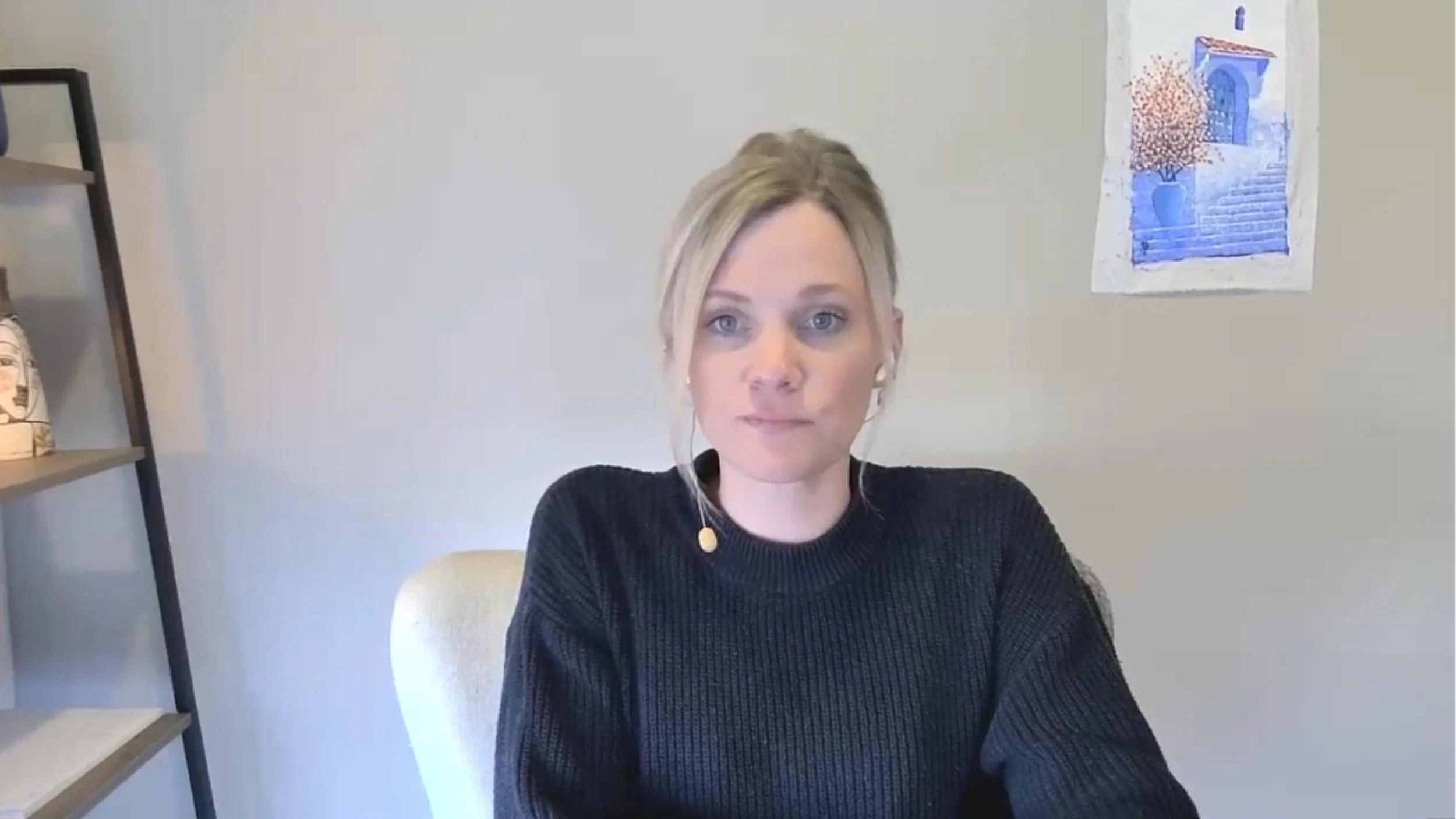
Talk Therapy Falls Short for Betrayal Trauma
Accelerated Resolution Therapy is a body-based trauma modality.
The reason it works is because the effects of betrayal “live” in different parts of the brain than insight, skills, and understanding.
Having a clearer understanding of the affair, talking it through, or building better coping skills can be useful, but those don’t fundamentally change how your body responds when looping thoughts of the infidelity pop up in your day-to-day life.
What makes ART different from most therapy is the pace. Change happens within a session rather than across weeks or months, and many clients tend to describe the memories and images becoming more dull and losing their emotional intensity.
What Life Looks Like After You Heal Betrayal Trauma at the Root
Your body stops being on high-alert for more bad news. The jaw clenching, the stomach problems, the tension headaches, the 3am wakeups with your heart pounding stop being your baseline. You sleep through the night and your appetite returns. You wake up thinking about your day, not about what your partner did. The grief about what happened is still there, but it becomes possible for you to concentrate at work and show up for your children.
The images stop popping up. The scenes that have been showing up in your head when you’re trying not to think about them — the texts you found, the moment your partner admitted to the infidelity, the bank statements that didn’t make sense — stop coming up randomly. And when you do think about them, they feel dull. Clients describe the thoughts and images as feeling distant, like something that happened in the past, instead of something that keeps happening to them now. This means the anxiety and rumination stop on their own, without you having to “try.”
You can think about something other than the betrayal. You sit through a meeting and walk out remembering what was said. You finish the email you started yesterday morning. The hours you’ve been spending on investigating, replaying, and cross-referencing calendars come back to you.
You trust your own judgment again. You make a decision about your marriage, your finances, or your living situation, and you don’t need to run it past three friends and your sister to make sure you’re not crazy. The fog of “what if I’m wrong about everything” clears, and you can see your options clearly enough to choose. The intrusive thoughts that have been telling you not to trust your partner, not to trust yourself, that you’re going to make a permanent mistake, lose their authority. You can recognize them as betrayal-driven, not as truth, and they don’t dictate what you do next.
You have bandwidth to spend on the people you love. Your daughter tells you about her math test on Friday afternoon, and instead of “how was it, mm-hm, that’s great,” you’re listening. As she’s talking, you notice she’s gotten taller. If you’re rebuilding your relationship, you can sit across from your partner and have the hard conversation without feeling like you’re going to throw up. If you’re leaving or if your partner left, you can sleep through your first night in the new place without staring at the ceiling, mentally replaying every sign you missed.
The facts don’t disappear, and you will still remember what happened. There could still be a conversation you’ve been putting off for weeks, a mediation agreement, or choosing a couples therapist in front of you.
But you’ll make those decisions with a clear head and a regulated nervous system, with the kind of clarity that comes from knowing who you are and where you’re going.
If you’re ready to learn about pricing and scheduling, see the fees page.
How We Heal Partner Betrayal Trauma at the Root in One Half-Day
Accelerated Resolution Therapy is an evidence-based trauma therapy. It uses back-and-forth eye movements.
You don’t talk about the betrayal in detail. Instead, you visualize the scene in your mind, like watching a scene of a movie.
During the session, we work to desensitize you to the event and to change the images and sensations your brain has stored, so that they stop intruding the way they have been. In ART we say, “keep the knowledge, lose the pain.”
By the end of the session, you’ll still know what happened and remember all of the facts. What you’ll lose is the uncomfortable bodily sensations, the unwelcome thoughts, and other symptoms that have been part of your daily life.

About Allyson Clemmons, LICSW
Partner Betrayal Trauma Therapist
My specialization in partner betrayal trauma emerged from years of treating infidelity as a couples therapist.
While couples work was essential for the relationship, I noticed betrayed partners also needed specialized trauma therapy that wasn’t available.
Now I exclusively use Accelerated Resolution Therapy to help my clients move from obsessive investigating and constant triggering to genuine, long-term peace in just a half-day.
You don’t need to manage betrayal trauma indefinitely. You can actually resolve it.
Licensed in Massachusetts, Washington State, & Oregon
Telehealth registration in Florida & Colorado
100% telehealth/remote/online
-
I work with people of any gender and across any relationship structure where a trusted partner’s betrayal has caused trauma symptoms that are now interfering with your life.
This includes married clients, as well as long-term partners and cohabiting couples.
It includes people who have already left or whose partner left, but the trauma response is impacting a new relationship.
It includes monogamous clients and clients in non-monogamous relationships where an agreement was violated.
-
Yes. The unfaithful partner often has their own work to do: sometimes around guilt, shame, and accountability, sometimes around their own history of trauma that contributed to what happened. That work involves ART, but is more talk therapy heavy. For more information on that service, please click here.
-
No. You don’t have to share any of the specifics. ART works with the images and sensations stored in your nervous system, not the verbal story. You can keep the details private and still process the trauma completely. Many clients find this privacy one of the most relieving aspects of ART.
-
It will probably change the anger.
The trauma-driven anger (the kind that spikes your heart rate when you see their phone, the rage that wakes you up, the flooding that makes you say things you regret)… that part will likely soften because it’s tied to the trauma symptoms that ART helps to resolve.
What remains is more like clear-eyed assessment. You might still be angry, but it’s probably not the same white-hot, dysregulated anger. It’s more like: “What you did was wrong, and I’m deciding what I want to do about it.”
-
That’s completely normal. ART helps your nervous system calm down so that you can think clearly about those types of decisions. Right now, trauma is making every decision feel urgent and next to impossible.
After ART, you’ll still have the same choices to make, but you’ll be making them from a regulated place instead of from anxiety or anger.
-
Great question. Both ART and EMDR use eye movements to help your brain reprocess traumatic memories, but there are some key differences in how they work and how quickly you’ll see results.
ART is more directive and structured. We focus on specific images that are triggering you and actively replace them with ones that feel neutral or empowering. There’s no homework between sessions, and each session is complete in itself; you won’t leave feeling worse or need to “process” between appointments.
EMDR is more exploratory. Your therapist follows where your associations lead, which can be valuable but also means sessions are less predictable. Some people find they feel worse temporarily as they process, and treatment typically takes longer (6-12+ sessions vs 1-5 for ART).
For betrayal trauma specifically, most of my clients appreciate that ART:
Gets results faster (you’re not waiting for months to feel better)
Doesn’t require you to talk through every detail of what happened
Leaves you feeling complete after each session, not raw or triggered
Actively replaces disturbing images rather than just desensitizing you to them
If you’ve tried EMDR and it helped but didn’t fully resolve things, or if it felt too slow or destabilizing, ART often works very well as an alternative.
-
Based on ART research for trauma generally, most issues resolve in 1-5 sessions, with a 94% treatment completion rate.
In my practice, I’ve seen partner betrayal trauma resolve in 1-2 sessions. For partners in couples therapy, this means that the betrayal trauma is no longer a barrier to making progress in working on the relationship. For partners who decide to leave the relationship, this means that the betrayal trauma is no longer hindering their grief or healing processes.
We’ll start with one session and assess from there. You’ll know after the first session if ART is working for you because most people feel noticeably different before they leave.
-
I see clients located anywhere in Massachusetts, Washington State, and Oregon.
I am also registered to see clients in Florida and Colorado.
If you are located outside of the United States, there is a chance I can work with you. Please contact me to discuss your situation.
Get in touch
Contact or Self-Schedule Below
If you already know you would like to get scheduled, please do so using the button below. No need to contact me first unless you want to.
The link will take you to my secure, HIPAA-compliant scheduling tool where you can choose a day and time and pay for your session to reserve it. Within 24 hours, you’ll receive an email invitation to complete your new client forms. Then we’ll meet on your scheduled day!
Have questions before scheduling?
Use this form to ask about whether ART is right for your situation, how the process works, or anything else you’d like to know. I typically respond within 24-48 business hours.
long-term healing from betrayal trauma
—
long-term healing from betrayal trauma —